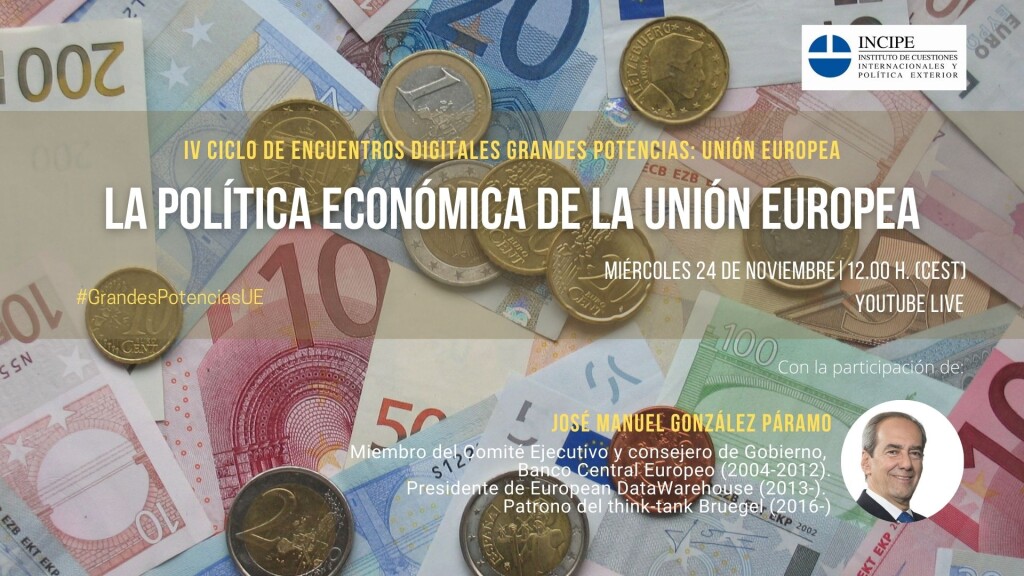
First, José Manuel González-Páramo provides an overview of the European Union’s reaction to the COVID-19 crisis, which he rates very positively. The EU’s quick and powerful response indicates that lessons have been learned from previous crises and citizen demands, while also implementing innovative mechanisms.
The multiannual financial framework saw a significant development, particularly with the creation of the new Next Generation EU fund, as part of which consists of direct transfers to countries, not loans; in other words, these are joint and solidarity funds. Regarding trade policy, there have been restrictions on takeover operations and joint purchases (such as for medical supplies), showing a certain protectionist trend. Finally, in terms of competition policies, the state aid rules were relaxed to favor economic growth again. In conclusion, the European Union acted favorably and succeeded in conveying a sense of protection to its citizens.
Another issue raised by González-Páramo was the basic economic policy consensus established by the Treaty on European Union, especially during these times of difficult negotiations and the resurgence of protectionist attitudes, which highlight the need for strategic autonomy. José Manuel González-Páramo believes that in the debate around modifying the EU’s economic policy framework, the only constructive option is to persist in democratic debate to try to re-legitimize the EU’s basic consensus and be flexible with the rules that must adapt to the new reality.
The European Union must drive reform in the World Trade Organization, especially in the digital domain. It must also promote the principle of leveling the playing field in social and environmental terms, which affects relations with the United States, China, and the United Kingdom. Lastly, it needs to pay attention to the vulnerability of value chains, as evidenced during the pandemic, and improve compensation mechanisms for those most negatively affected by globalization.
In conclusion, European economic policy is rated positively for its adaptation to the new crisis, although the Union’s original consensus has been eroded. It is now necessary to rejuvenate that consensus, encourage constructive debate, and refocus attention on latent issues such as the pandemic, ecological transition, and digitalization.
María de Alfonso
Communication Assistant, INCIPE